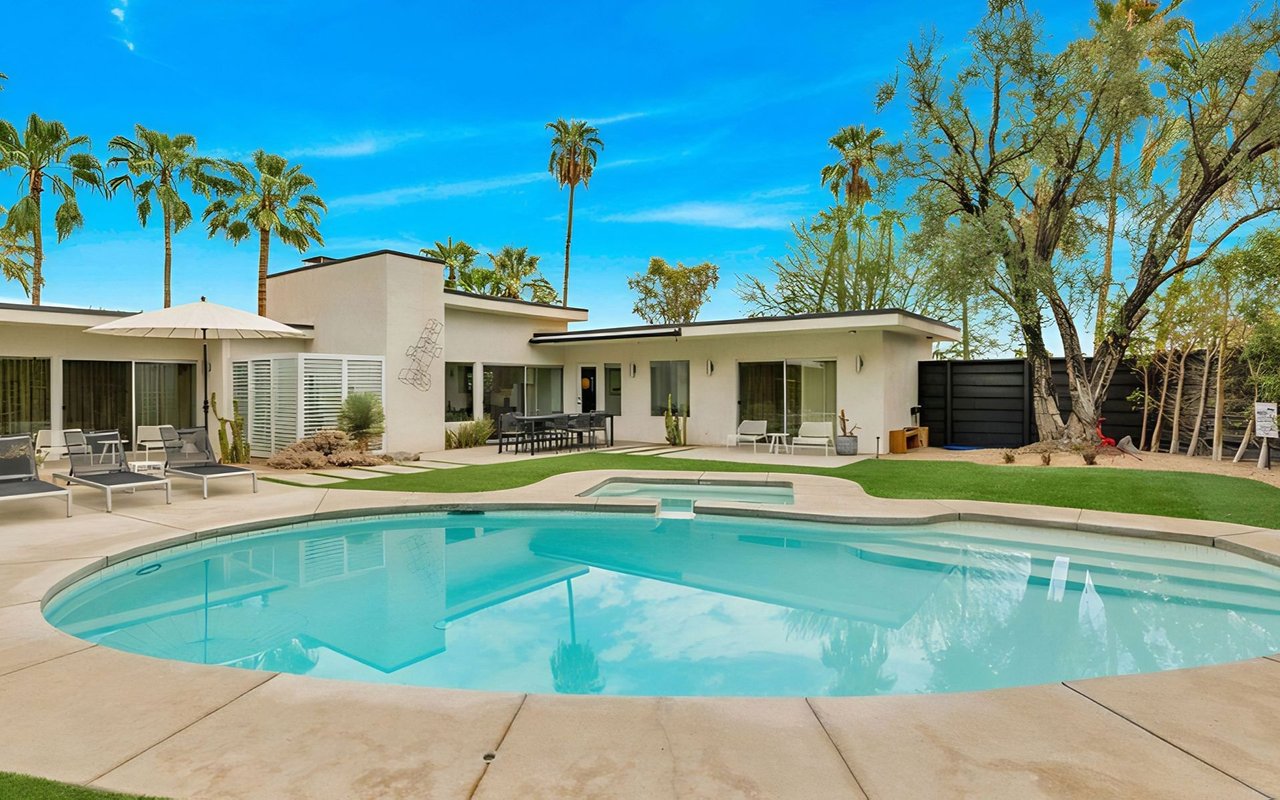

When it comes to real estate investing, one of the first decisions you'll face is whether to invest in single-family homes or multi-unit properties. Both options have their merits and challenges, and the right choice depends on your investment goals, resources, and risk tolerance. Let's explore the pros and cons of each to help you make an informed decision.
Single-Family Homes: The Classic Investment
Single-family homes have long been a popular choice for both novice and experienced investors. Here's why:
Pros:
- Easier to Finance: Conventional loans for single-family homes often have better terms and lower down payment requirements
- Simpler Management: With only one tenant, property management is generally less complex
- Longer-Term Tenants: Single-family home renters tend to stay an average of three years, reducing turnover costs
- Appreciation Potential: Single-family homes often appreciate faster in value compared to multi-unit properties
- Easier Resale: There's typically a larger market of potential buyers for single-family homes
Cons:
- Vacancy Risk: When the property is empty, you lose 100% of the rental income
- Limited Income Potential: You're restricted to income from a single unit
- Higher Per-Unit Acquisition Costs: Buying multiple single-family homes can be more expensive than a multi-unit property with the same number of units
Multi-Unit Properties: Scaling Up
Multi-unit properties, such as duplexes, triplexes, or small apartment buildings, offer a different set of advantages and challenges:
Pros:
- Higher Income Potential: Multiple units mean multiple streams of rental income
- Reduced Vacancy Risk: Even if one unit is vacant, you still have income from other units
- Economies of Scale: Maintenance and repair costs can be lower per unit
- Forced Appreciation: You can increase property value by improving management and increasing rents
Cons:
- More Complex Management: Dealing with multiple tenants and units requires more time and effort
- Higher Initial Investment: Multi-unit properties typically cost more upfront
- Financing Challenges: Properties with five or more units often require commercial loans with stricter terms
- Potentially Lower Appreciation: Multi-unit properties may not appreciate as quickly as single-family homes in some markets
Making Your Decision
When choosing between single-family and multi-unit investments, consider the following:
- Your Investment Goals: Are you looking for steady cash flow or long-term appreciation?
- Available Capital: Multi-unit properties often require a larger initial investment.
- Time and Management Skills: Are you prepared to handle the complexities of multi-unit management?
- Local Market Conditions: Research demand for both types of properties in your target area.
- Risk Tolerance: Multi-unit properties can offer more stable income but may come with added complexities.
Creative Strategies
Consider these innovative approaches to maximize your investment:
- House Hacking: Buy a multi-unit property, live in one unit, and rent out the others. This can be an excellent way to start building your real estate portfolio.
- Vacation Rentals: In tourist-heavy areas, single-family homes can generate significant income as short-term rentals.
- Value-Add Opportunities: Look for multi-unit properties where you can increase value through renovations or improved management.
- Mixed-Use Properties: Some multi-unit properties combine residential and commercial spaces, offering diversified income streams.
- Conversion Potential: Consider single-family homes that could be converted into multi-unit properties, subject to local zoning laws.
Remember
Successful real estate investing isn't just about choosing between single-family and multi-unit properties. It's about finding the right opportunities that align with your goals, skills, and resources. Whether you opt for the simplicity of single-family homes or the income potential of multi-unit properties, thorough research and careful planning will be key to your success. Happy investing!