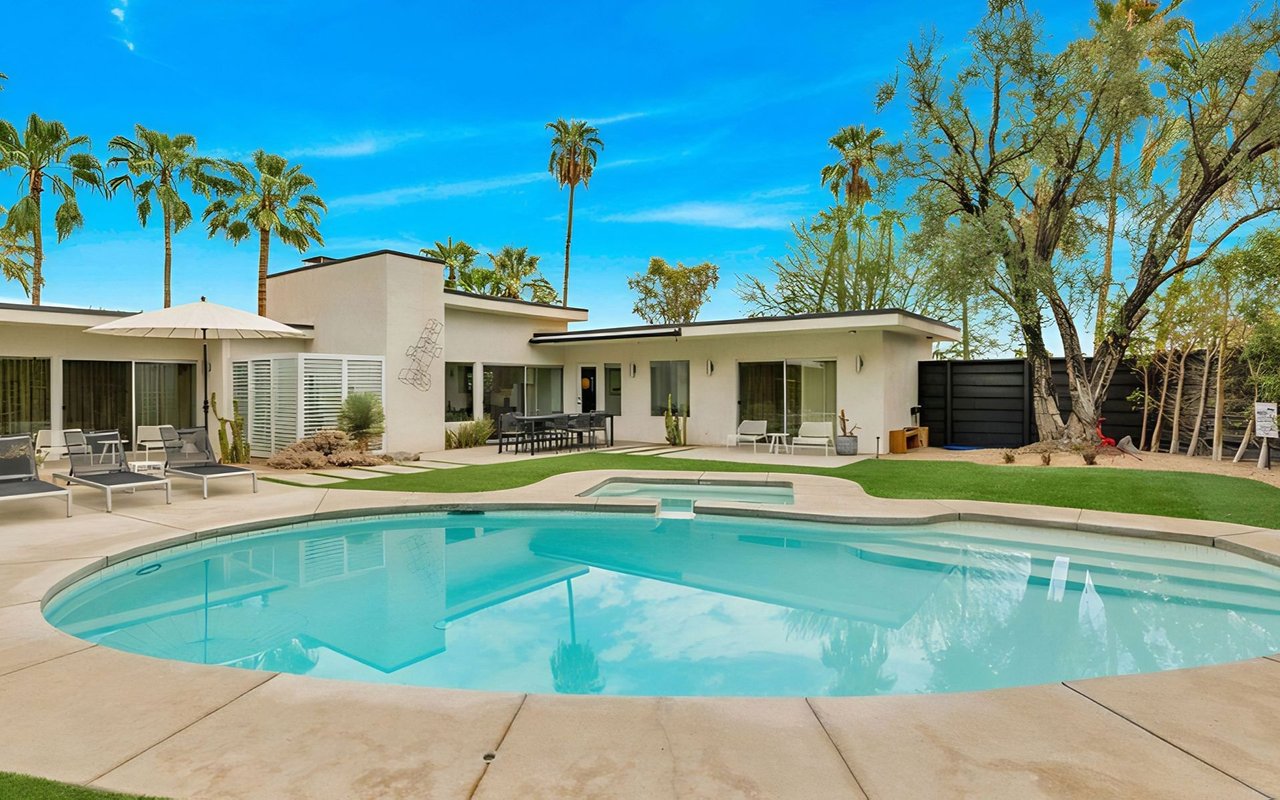
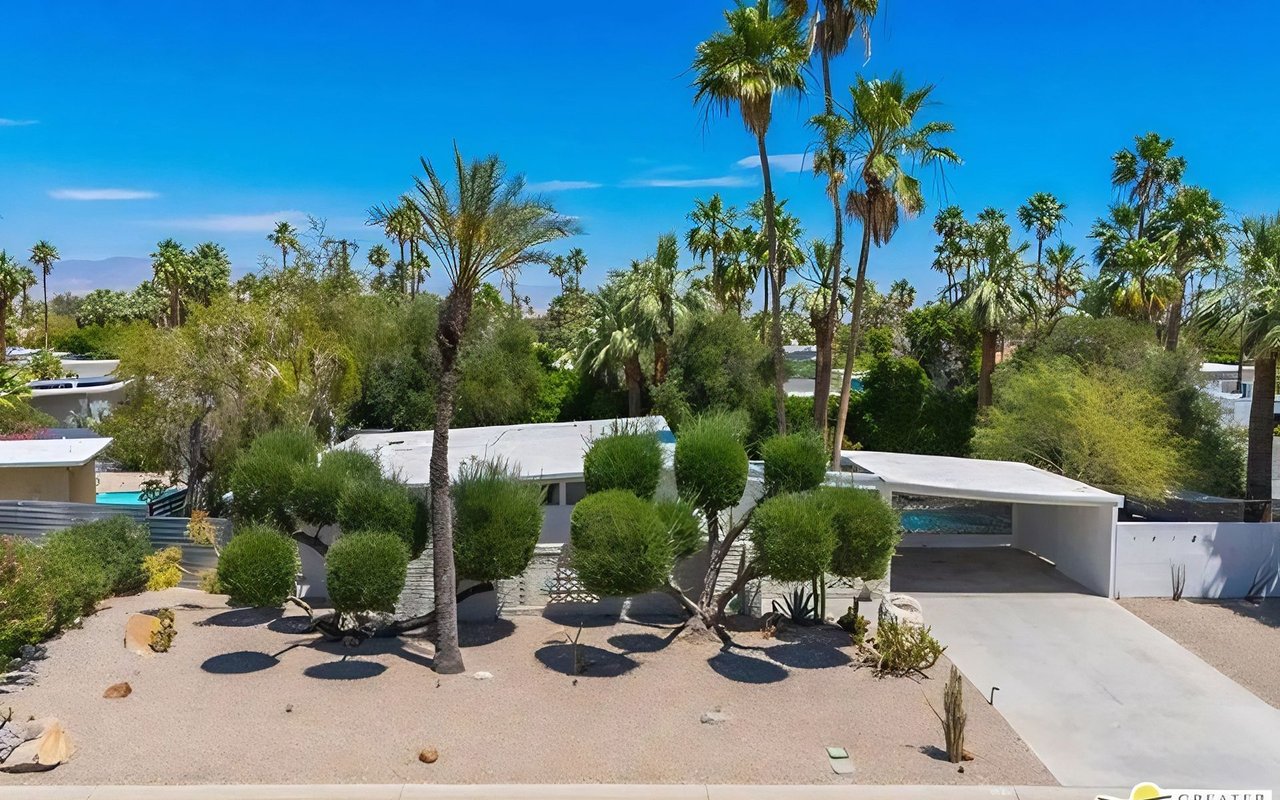
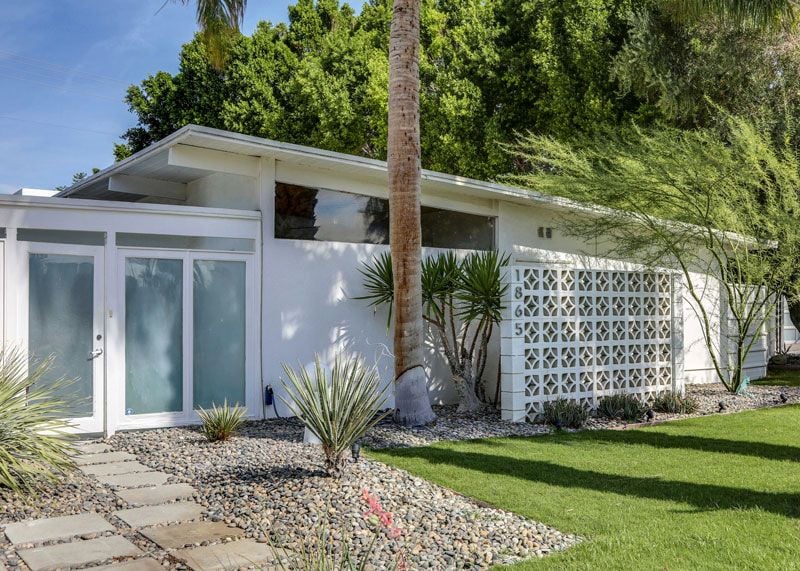
1865 N Berne Drive, Palm Springs, 92262 (Sold by The Paul Kaplan Group)
Updated 10-14-26
Shaping Palm Springs: Jack Meiselman, Jack Moyer, and the Legacy of Desert Modernism
The Story Behind Palm Springs' Iconic Meiselman Mid-Century Modern Homes
When people think of Palm Springs mid-century modern architecture, names like William Krisel, Albert Frey, Donald Wexler, and the Alexander Construction Company often come to mind. But another influential partnership helped shape the residential neighborhoods that make Palm Springs an internationally celebrated destination for architectural enthusiasts: developer Jack Meiselman and architectural designer John P. "Jack" Moyer.
Together, Meiselman and Moyer helped bring innovative, affordable modern homes to Palm Springs during the 1950s and early 1960s. Their residences combined bold architectural design with practical floor plans, comfortable desert living, and thoughtful connections between indoor and outdoor spaces.
Today, original Meiselman homes are among the more distinctive and sought-after examples of Palm Springs Desert Modernism. Their architectural details, relative rarity, and connection to the city's postwar development history make them particularly appealing to mid-century modern homebuyers and preservation enthusiasts.
Who Was Jack Meiselman?
Jack I. Meiselman (1899–1994) was a prominent Palm Springs real estate developer who recognized the growing demand for modern, affordable vacation homes in the California desert.
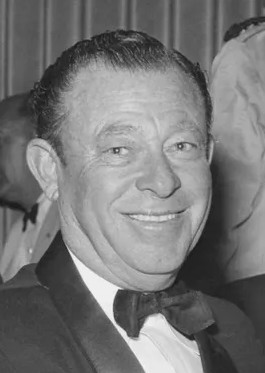
Originally from New York, Meiselman moved to California in the 1940s and became involved in residential development during Palm Springs' postwar building boom. After an early association with the Alexander Construction Company, he established his own development operation, working with his wife and business partner, Berne "Bernie" Meiselman.
The Meiselmans recognized that Palm Springs was evolving beyond an exclusive retreat for Hollywood celebrities and wealthy winter visitors. Increasing numbers of middle-class Southern Californians wanted their own place in the desert, and smaller, well-designed modern homes offered an attractive alternative to expensive custom residences.
Meiselman's developments helped make the Palm Springs lifestyle more accessible. Rather than sacrificing design to achieve affordability, his homes incorporated architectural features that gave production-built residences an appealing sense of individuality.
Although estimates vary, approximately 200 to 350 Meiselman homes are commonly attributed to his Palm Springs development activity. That relatively limited inventory helps explain why authentic Meiselman residences are so highly regarded today.
Jack Moyer: The Architectural Designer Behind the Meiselman Homes
While Jack Meiselman is remembered as the developer, John P. "Jack" Moyer deserves recognition for his significant role in designing many of the homes.
In historical research compiled by Tracy Conrad, president of the Palm Springs Historical Society, Moyer emerges as an inventive architectural designer whose work helped distinguish Meiselman developments from other tract homes of the era.
Moyer arrived in the desert in the early 1950s and worked in the modern architectural language being explored by contemporaries such as William Krisel and Donald Wexler. His designs emphasized dramatic rooflines, carefully positioned windows, striking geometric forms, and living spaces that connected naturally to outdoor patios and pools.
Like Krisel's work for the Alexander Construction Company, Moyer's designs offered the character of a custom home within an efficient residential construction program.
According to Conrad's research, Moyer served as Meiselman's exclusive designer from 1958 through 1962. Their partnership helped establish a distinctive architectural identity that remains recognizable more than six decades later.
Moyer's creativity was not limited to tract homes. His other projects included the extraordinary "Spider House" in Pinyon Crest, featured in Architectural Digest in 1964. The home's dramatic structural supports radiated outward from its central living spaces, creating a striking architectural composition.
Another example of Moyer's work is the 1959 Gayle Building on East Palm Canyon Drive, now associated with the El Mirasol restaurant. Its sculptural supports and decorative screens demonstrate the same willingness to experiment with form that characterized his residential designs.
Moyer's contributions remind us that Palm Springs' architectural legacy was created not only by its best-known architects, but also by talented designers whose work helped define the everyday residential character of the city.
What Makes a Jack Meiselman Home Unique?
At first glance, a Meiselman home may resemble an Alexander home. Both reflect the principles of Desert Modernism, including clean geometric forms, generous natural light, and an emphasis on indoor-outdoor living. However, Meiselman homes have several distinguishing characteristics that knowledgeable mid-century modern enthusiasts appreciate.
Distinctive Rooflines and Post-and-Beam Construction
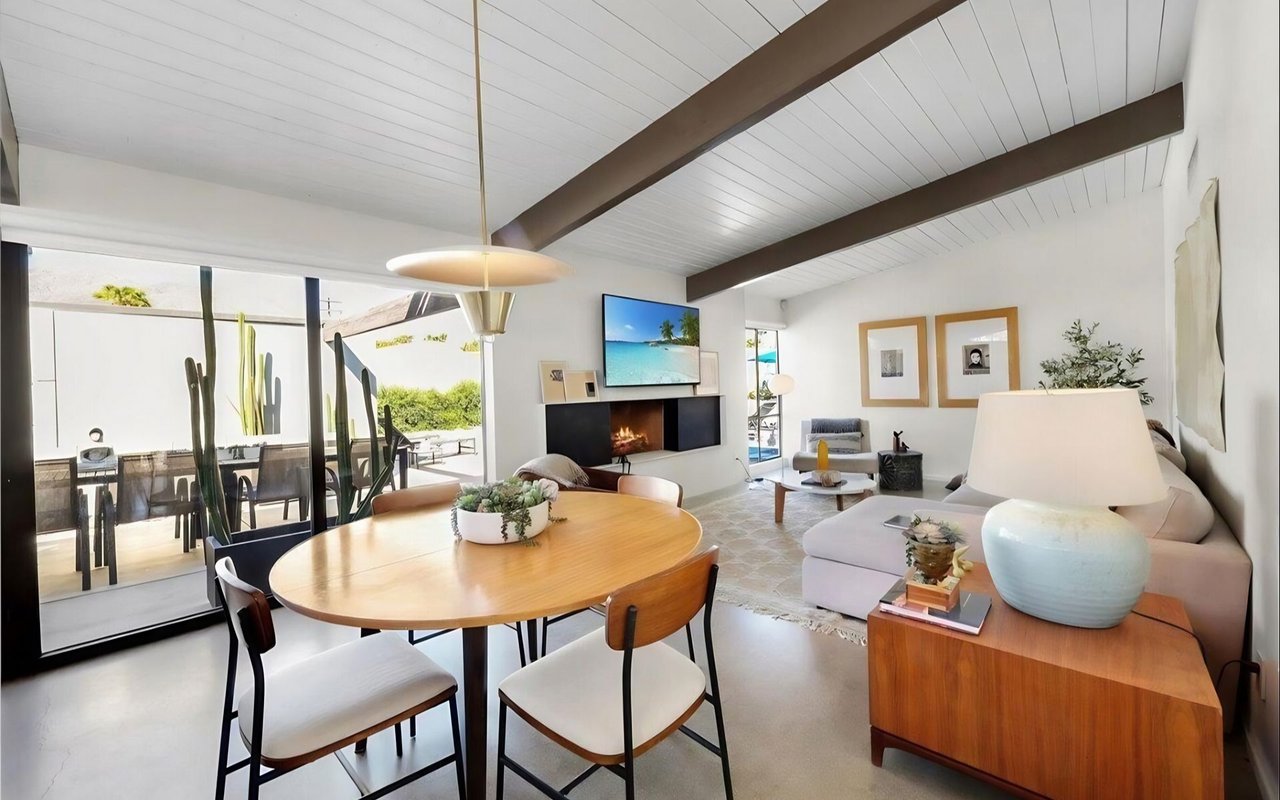
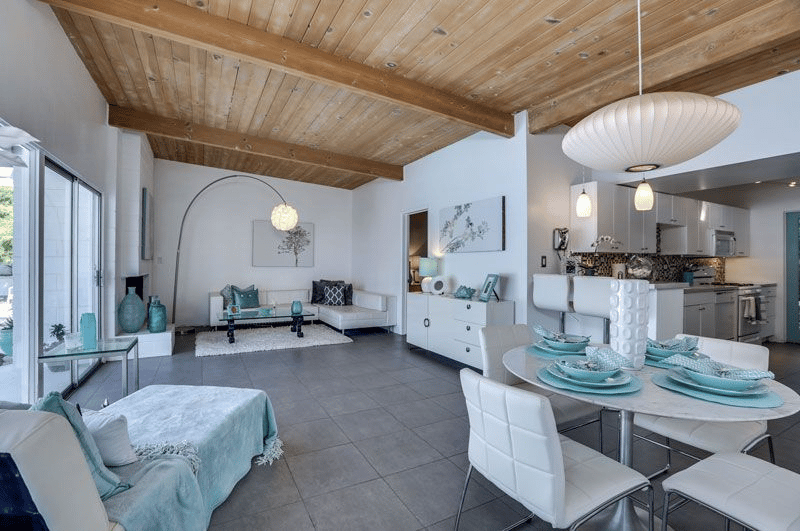
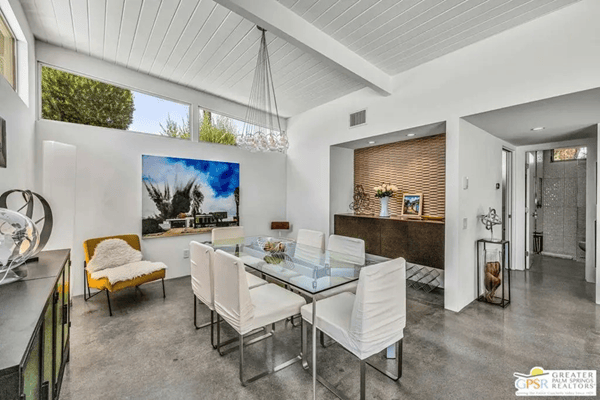
Many Meiselman homes feature dramatic butterfly rooflines, exposed post-and-beam construction, and tongue-and-groove ceilings. These elements create architectural interest while allowing living spaces to feel open, bright, and connected to their surroundings.
The exposed structural elements also contribute to the homes' authentic mid-century character, giving otherwise modest residences a sophisticated architectural presence.
Clerestory Windows and Walls of Glass
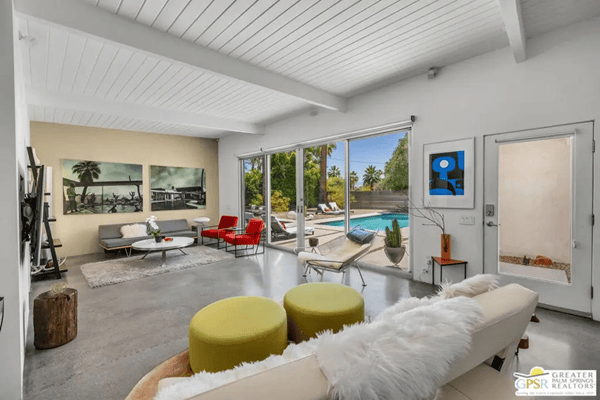
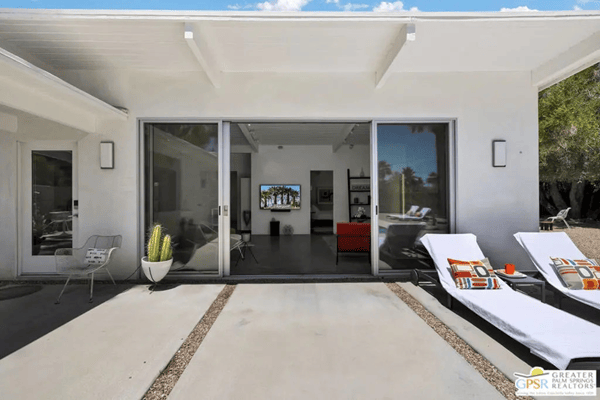
High clerestory windows bring natural light into interior spaces while maintaining privacy. Expansive sliding glass doors and large windows offer views of the surrounding gardens, swimming pools, and San Jacinto Mountains.
These architectural features helped blur the distinction between indoor and outdoor living, an approach that has become synonymous with Palm Springs architecture.
Decorative Concrete Block and Sculpted Details
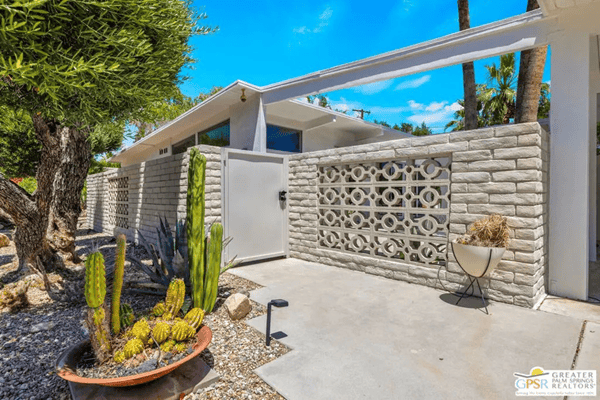
Meiselman residences often incorporate decorative concrete block, scored stucco, distinctive masonry patterns, and geometric exterior accents.
These relatively inexpensive materials created texture and visual interest, helping the homes stand apart from more conventional tract housing.
Practical Floor Plans with Greater Privacy
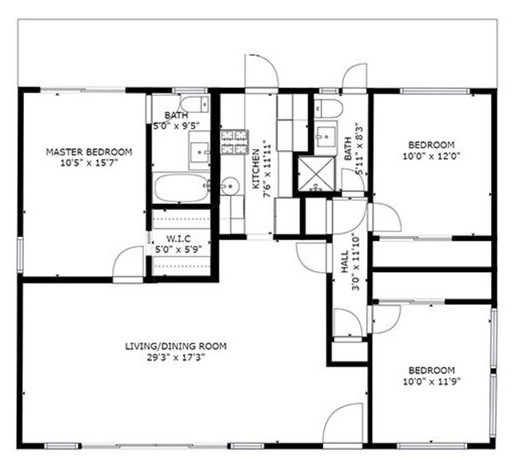
One particularly appealing Meiselman feature is the separation of the primary bedroom suite from secondary bedrooms. Unlike many Alexander floor plans that placed bedrooms along a common hallway, some Meiselman designs positioned the primary suite on one side of the home and guest bedrooms on the other.
This layout offered additional privacy for homeowners and visiting guests, making it particularly suitable for vacation properties.
Galley-style kitchens were also common, creating an efficient workspace while maintaining a comfortable relationship with nearby living and dining areas.
Homes Designed for the Desert Climate
Meiselman and Moyer understood that successful Palm Springs architecture needed to respond to the desert environment.
Central air conditioning and forced-air heating were important selling features, while thoughtful window placement, shaded patios, and direct access to outdoor living spaces made the homes comfortable and practical.
Some homes were also positioned to take advantage of mountain views and reduce exposure to the intense afternoon sun.
Affordable Modern Living: A Revolutionary Idea in the 1950s
One of the most fascinating aspects of the Meiselman story is how innovative these homes were when first introduced.
In her historical article, Tracy Conrad draws upon newspaper accounts and advertisements from the 1950s and early 1960s to illustrate the excitement surrounding new residential development in Palm Springs.
In 1958, Meiselman's Chino Palms Estates development offered 45 new homes priced between $19,900 and $21,500. Despite their modest prices, these residences incorporated amenities that were particularly desirable for desert living.
Features included refrigerated air conditioning, forced-air heating, built-in kitchen appliances, fireplaces, carports, fenced yards, and sliding glass doors connecting the interiors to patios and swimming pools.
One especially innovative feature was a bathroom accessible directly from the backyard or pool area. Today, convenient pool access may seem commonplace in a Palm Springs home, but at the time it represented a thoughtful response to the way people actually enjoyed their desert properties.
Buyers could even add a swimming pool with an additional $1,000 down payment, according to the period advertising documented in Conrad's research.
These were not simply inexpensive houses. They were carefully designed residences that anticipated the growing popularity of second-home ownership and resort-style living.
Meiselman correctly recognized that easier automobile travel, expanding Southern California suburbs, and changing lifestyles would help transform Palm Springs into one of the country's leading destinations for winter homes.
Where Can You Find Meiselman Homes in Palm Springs?
Unlike some of the larger, more concentrated mid-century modern developments, Meiselman homes can be found scattered among other architectural properties throughout Palm Springs.
Their locations include several of the city's most desirable mid-century neighborhoods, such as Racquet Club Estates, Sunrise Park, Sunmor, Desert Park Estates, and surrounding residential areas.
Some of the historically documented Meiselman and Moyer developments include:
Palm Lane Estates
Located near Sunset Way and Andreas Road, Palm Lane Estates was one of Meiselman's earlier residential projects. Historical research indicates that 49 homes were constructed in this development between 1956 and 1958.
Chino Palms Estates
Developed between 1958 and 1959, Chino Palms Estates introduced approximately 45 homes and reflected the increasing popularity of affordable desert vacation properties.
Alejo Palms
Another important Meiselman development, Alejo Palms included approximately 57 homes constructed around 1959 and 1960. Moyer's designs helped establish a cohesive modern architectural character while offering practical residential layouts.
Racquet Club Estates and Surrounding Neighborhoods
Today, Racquet Club Estates is particularly well known for its concentration of mid-century modern residences, including both Alexander and Meiselman homes.
Because properties developed by different builders can appear quite similar, identifying an authentic Meiselman requires more than simply recognizing a butterfly roof or a post-and-beam ceiling.
Original building records, subdivision maps, historical research, and architectural documentation can be important in confirming a home's provenance.
Meiselman vs. Alexander Homes: Understanding the Differences
For Palm Springs homebuyers, one of the most common questions is how to distinguish a Meiselman home from an Alexander home.
Both builders contributed significantly to the city's architectural identity, and their homes share many recognizable features. However, the differences often become clearer when examining original floor plans and construction details.
Alexander homes, many designed by William Krisel, were produced in considerably greater numbers and frequently feature highly recognizable roofline variations and open interior layouts.
Meiselman homes, particularly those designed by Jack Moyer, often feature distinctive decorative masonry, galley kitchens, separate primary bedroom accommodations, and subtle variations in clerestory window configurations.
Not every home follows the same pattern, and alterations made over decades can obscure original features. This makes careful historical research especially important for buyers seeking an architecturally authentic property.
Ultimately, both Alexander and Meiselman homes represent the innovative spirit of Palm Springs Desert Modernism, but each has its own architectural story.
Why Original Meiselman Homes Are So Desirable Today
More than sixty years after their construction, Meiselman homes continue to appeal to buyers who appreciate architecture, history, and the Palm Springs lifestyle.
Their desirability comes from a combination of architectural character, limited availability, and practical design. Many offer manageable floor plans, generous outdoor spaces, and the visual features that make mid-century modern homes so appealing.
Authenticity can be particularly important. Original tongue-and-groove ceilings, decorative block walls, period-appropriate finishes, and intact architectural details may contribute to a home's appeal among preservation-minded buyers.
At the same time, thoughtful renovations can make these properties more comfortable for contemporary living. Updated kitchens, bathrooms, mechanical systems, and outdoor entertaining areas can coexist successfully with original architectural elements when the renovation respects the home's design.
For anyone considering purchasing or restoring a Meiselman residence, researching the property's history and understanding which features are original can be an important part of the process.
Architectural Spotlight: 1910 N. Berne Drive — A Restored 1959 Meiselman Home
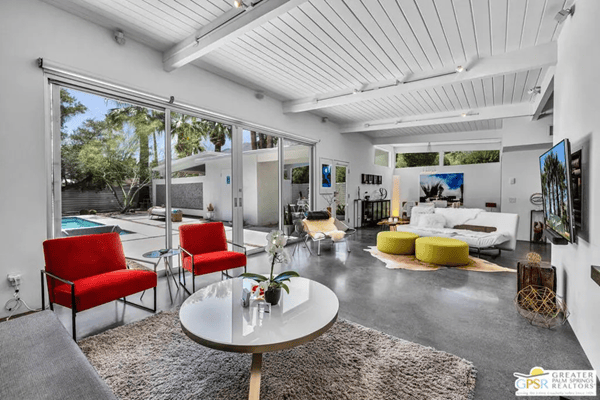
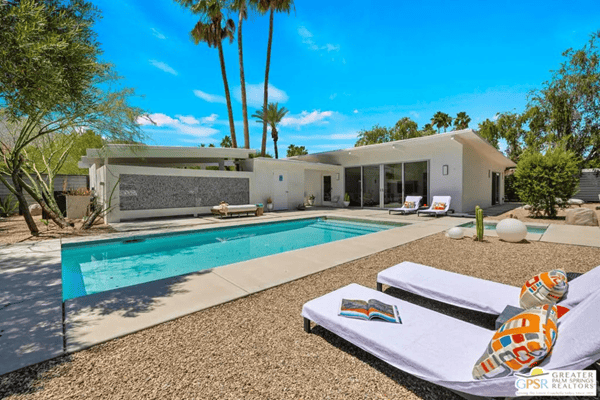
One exceptional example of Jack Meiselman and Jack Moyer's architectural legacy is 1910 N. Berne Drive in Palm Springs' historic Racquet Club Estates neighborhood. Built in 1959 and known as Les Trois Palmes, this distinctive residence demonstrates how thoughtful restoration can preserve the spirit of Desert Modernism while introducing the comforts and conveniences of contemporary living.
Named for the three signature palm trees rising through its dramatic breezeway, the home showcases many of the architectural details that make Meiselman residences so desirable, including sculpted concrete block, scored stucco, decorative masonry, clerestory windows, exposed post-and-beam construction, and original tongue-and-groove ceilings. Thoughtfully reimagined from the studs up, the residence features polished concrete floors, an expanded great room, and expansive sliding glass doors that connect the interiors with outdoor living spaces and views of the San Jacinto Mountains.
The home has been featured twice on Palm Springs Modernism Week tours, reflecting its architectural significance and the care taken in its restoration. Represented by The Paul Kaplan Group, 1910 N. Berne Drive is a compelling example of how an authentic Meiselman home can retain its 1950s architectural identity while accommodating modern lifestyles. For buyers and preservation enthusiasts alike, it illustrates why these relatively rare Palm Springs mid-century modern homes continue to attract attention more than six decades after their construction.
Represented by Paul Kaplan & Niko Esposito of The Paul Kaplan Group.
Buying or Selling a Meiselman Home in Palm Springs
With more than 25 years of experience in Palm Springs real estate and an educational background in architecture, I've developed a particular appreciation for the homes and designers that helped shape our city's identity.
At The Paul Kaplan Group, we have represented numerous mid-century modern properties throughout Palm Springs and the Coachella Valley, including architecturally significant residences associated with the city's best-known builders and designers.
When marketing an authentic Meiselman home, we believe it's important to tell the property's architectural story rather than simply advertise its square footage, bedrooms, and amenities.
Understanding its original design, construction history, distinctive features, and relationship to the surrounding neighborhood can help attract buyers who genuinely appreciate what makes the property special.
Likewise, buyers searching for a Meiselman home benefit from working with real estate professionals who understand Palm Springs architectural history and can help identify properties worthy of further research.
Whether you're searching for an original mid-century modern home, a beautifully restored Meiselman residence, or considering selling your own architectural property, The Paul Kaplan Group can help you navigate the Palm Springs real estate market with an appreciation for both architecture and property value.
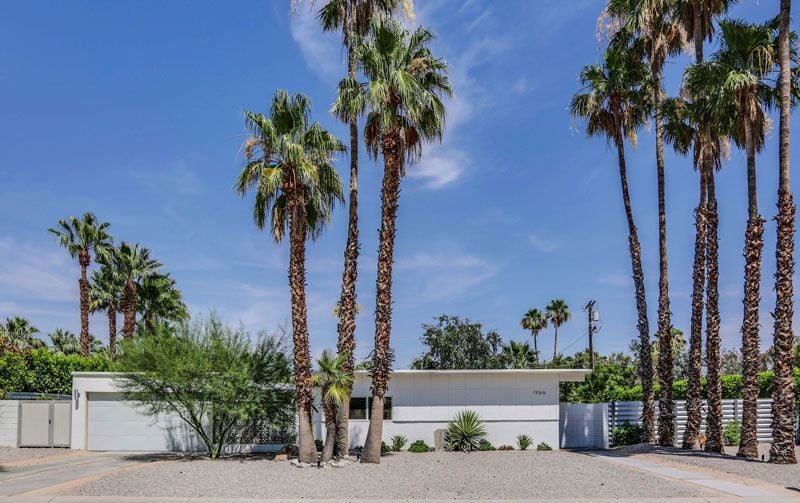
1966 Jacques Drive, Palm Springs 92262 (Sold by The Paul Kaplan Group)
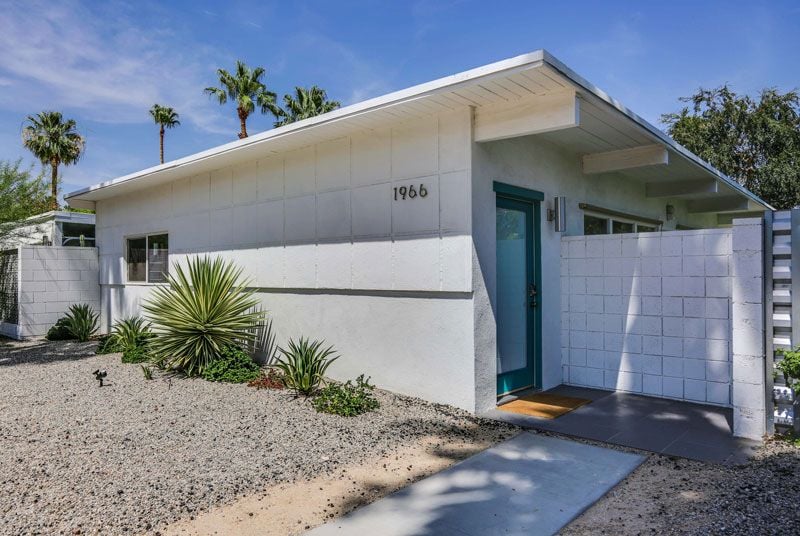
1966 Jacques Drive
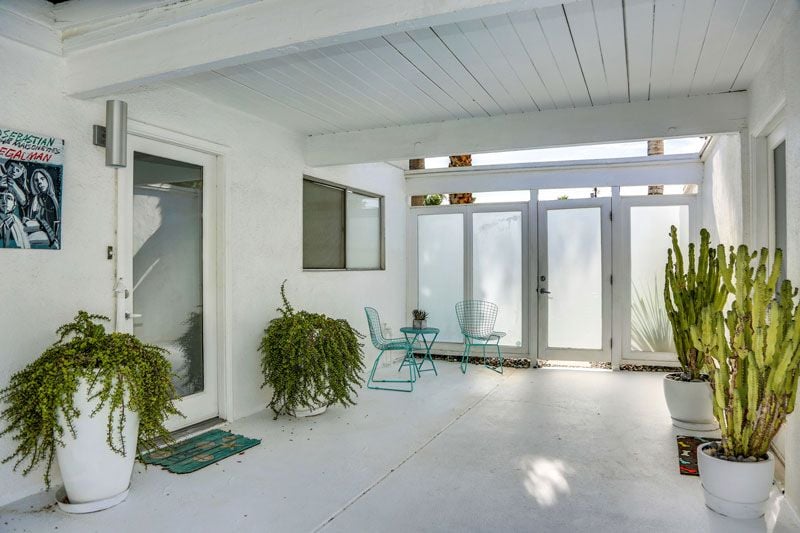
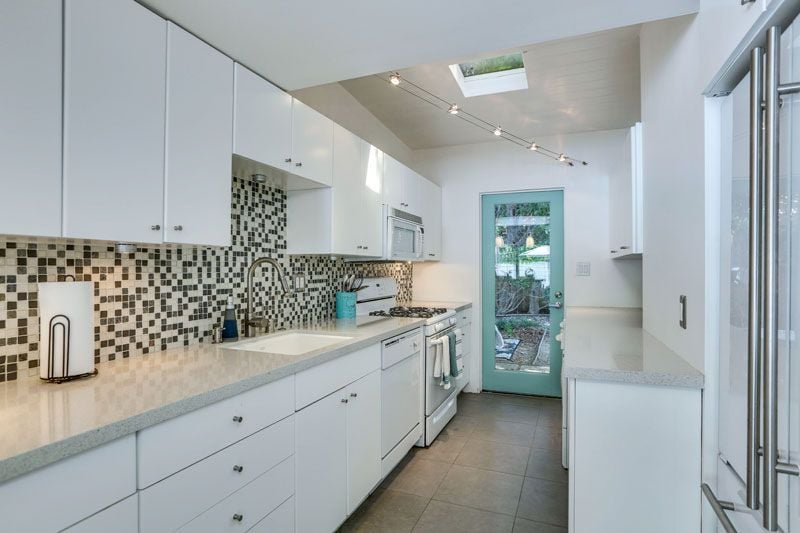
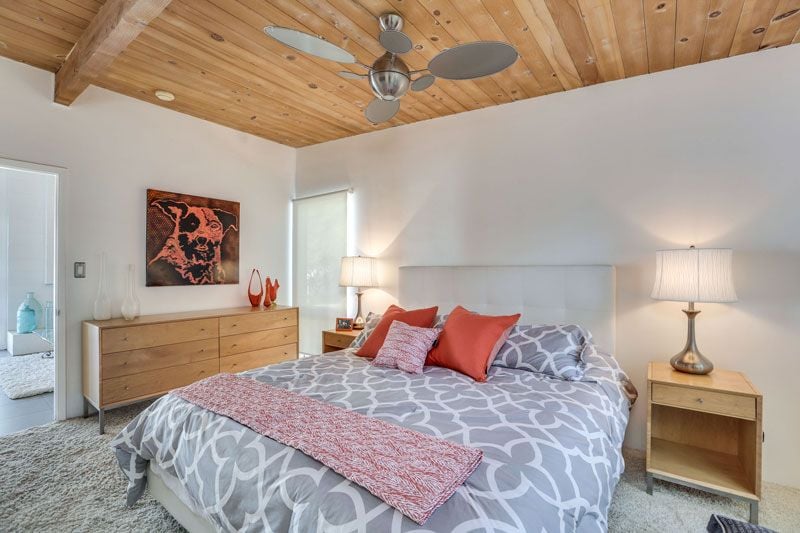
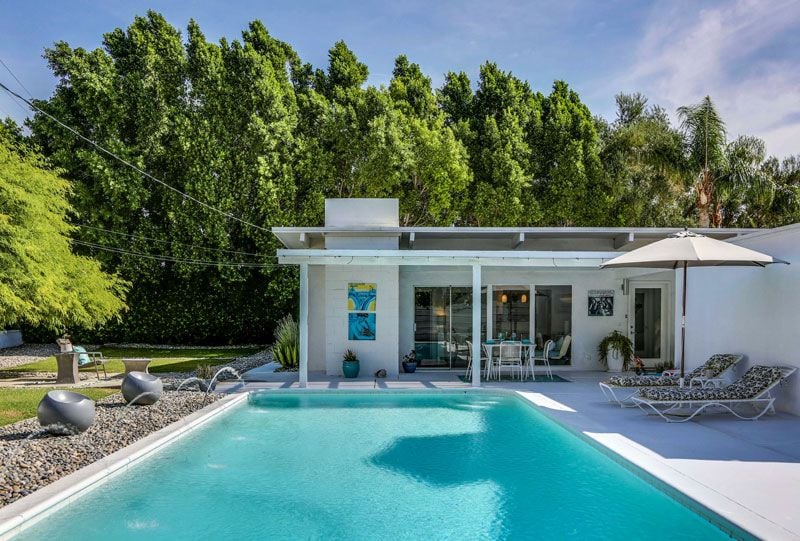
1865 N Berne Drive
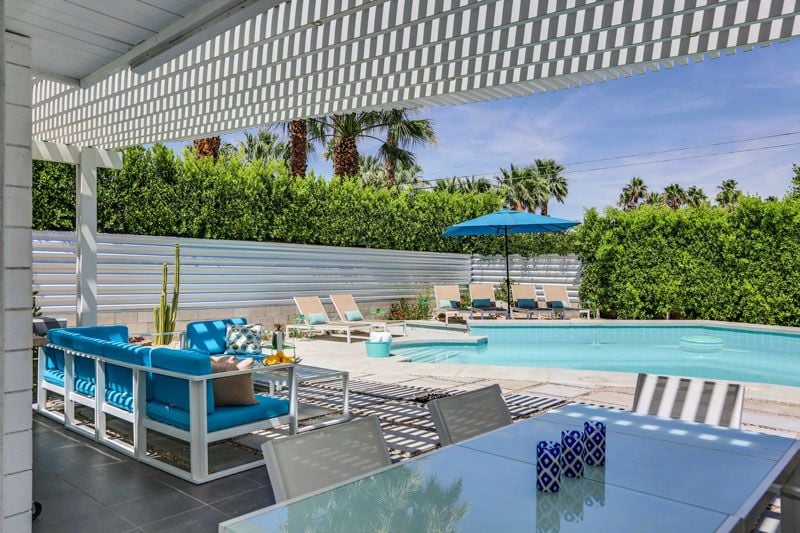
1966 Jacques Drive
From the Desert Sun newspaper, February 21, 1958:
When History Records Names of Builders Of City, Meiselman Will Be High on List
By JOE KING
"When history records the names of those who have helped build the City of Palm Springs, the name Jack Meiselman will be high on the list.
Meiselman has built homes and developments in this area, including such now famous communities as Desert Palms Estates, Luring Sands Park, Winterhaven, Deep Well, and others. The latest announcement by the Meiselman organization is the start of a new development to be known as Chino Palms Estates. The location is south and east of the Racquet Club.
Here will be constructed just 45 new luxury homes, bearing a price tag of only $19,900 to $21,500. An outstanding feature of these homes will be the fact that all have one of the two baths placed so that those coming from the patio or pool may enter it from the rear yard. This trait will be a "must" in desert home construction from now on, Meiselman pointed out.
Other desirable features are refrigerated cooling and forced-air heating; a built-in range and oven; an automatic dishwasher; a garbage disposal; a completely fenced yard and play area; a two-car carport; a masonry fireplace; and two sliding doors to the pool area from the living room and master bedroom.
The kitchen and bathrooms feature vinyl asbestos tile floors, a breakfast bar, Formica countertops, Sandalwood Youngstown kitchen cabinets, cement walks and patios, and spacious storage areas. In and paid for will be curbs, gutters, and paved streets.
A pool can be added for only an extra $1,000 down, as pointed out.
Six models are now under construction at Meiselman's earlier Palm Lane development, located at Sunset Way and Andreas. These may be viewed as they progress, and orders are being taken both for Palm Lane, for 30-day move-in, and in Chino Palms, for those who can wait 90 days or more for occupancy.
Meiselman is entirely optimistic concerning the future of residential construction in the Palm Springs area. He believes that second homes will be as popular within the next few years as second family cars are today. Also, the shorter workweek, which may lie just ahead, plus nonstop completed freeways to Los Angeles and all major metropolitan areas, is bound to make this area the number one winter living section of the nation."
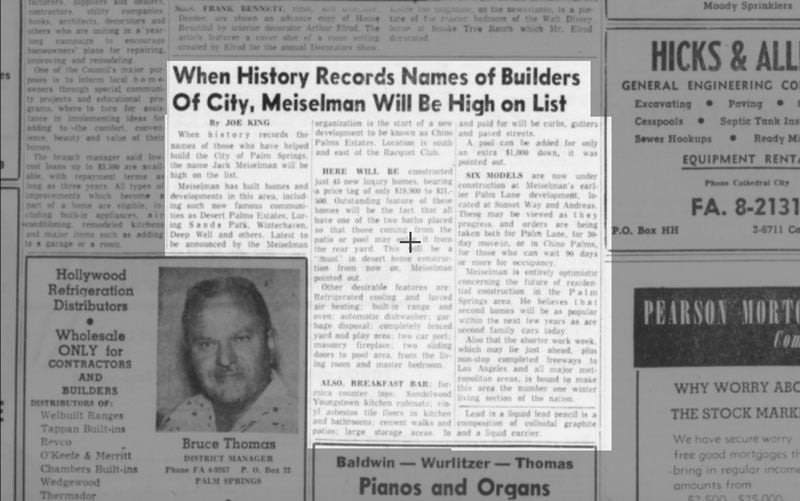
Desert Sun article on Meiselman, February 21, 1958 (source)
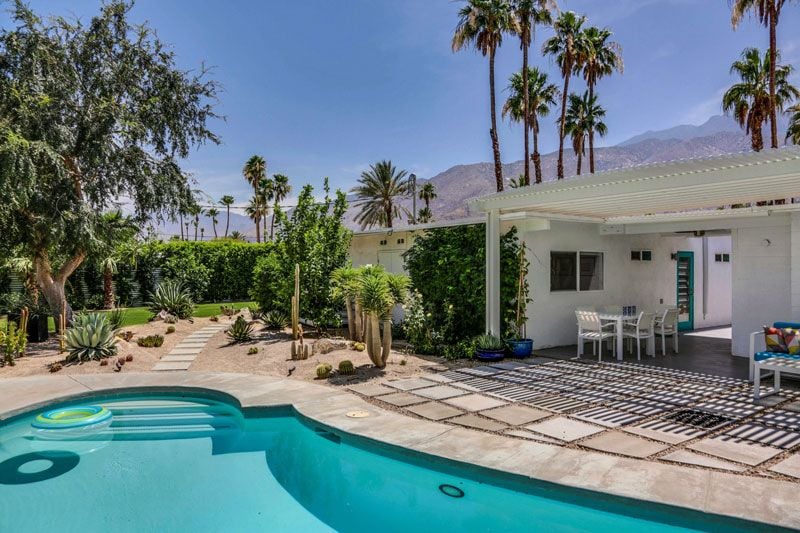
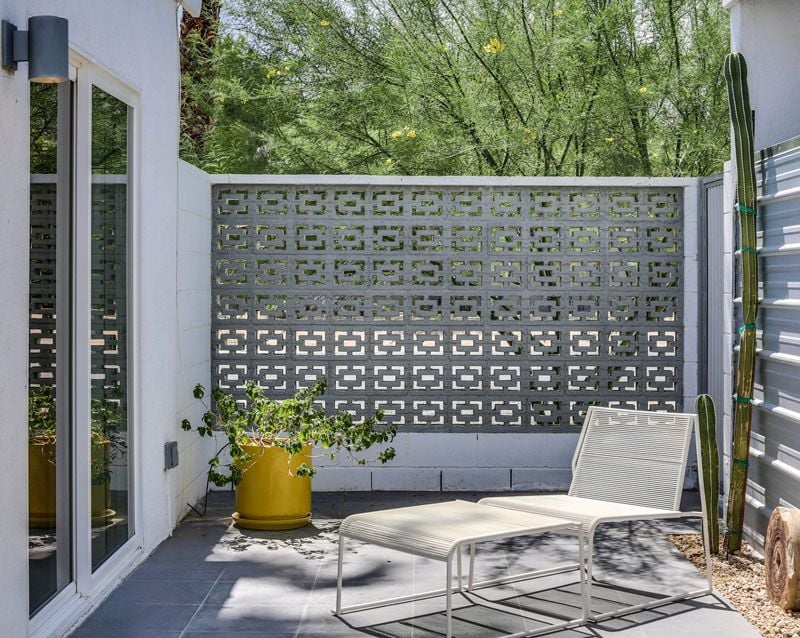
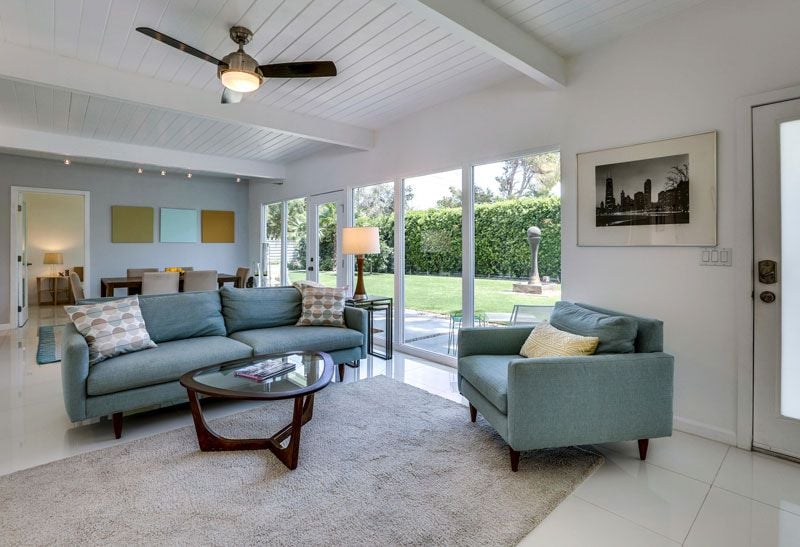
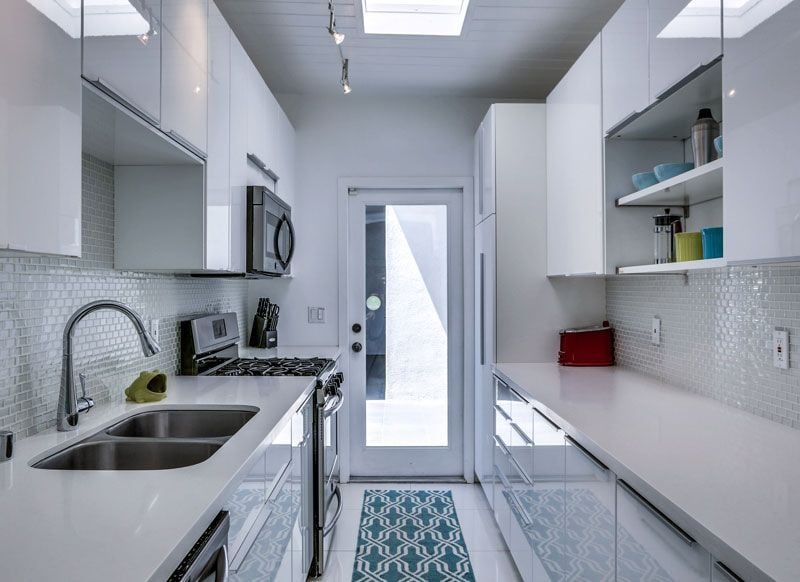
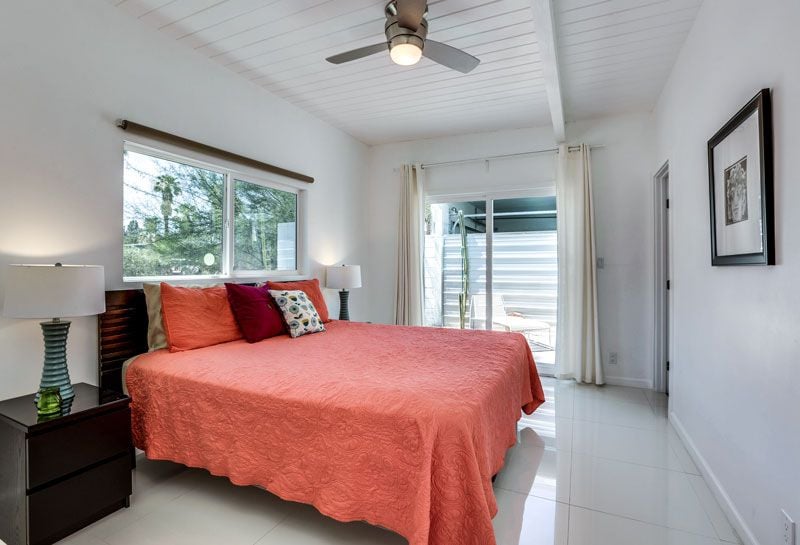
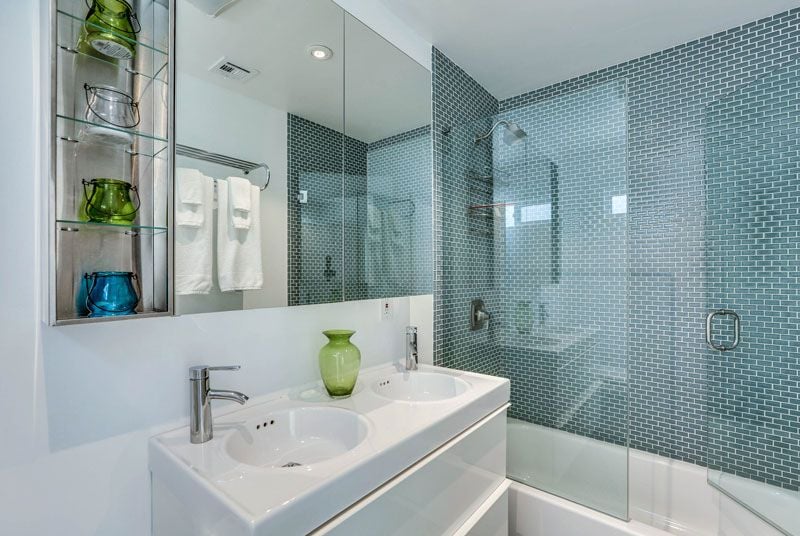
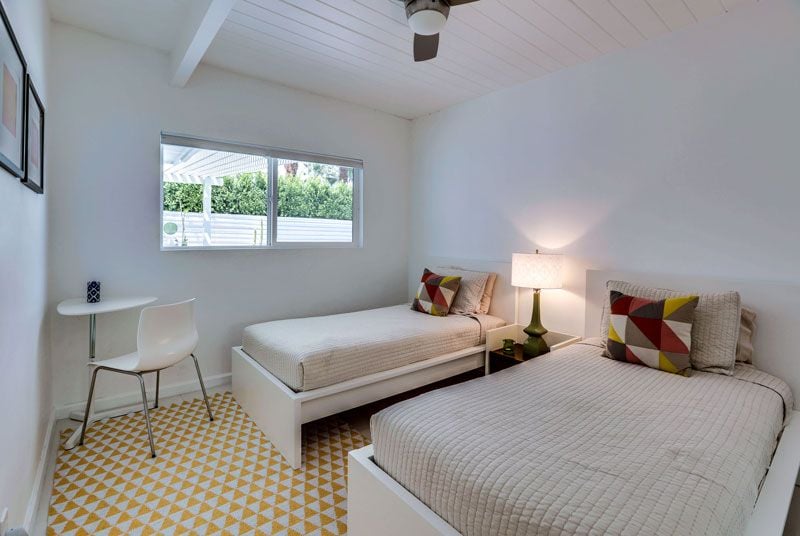
1966 Jacques Drive
Preserving the Legacy of Jack Meiselman and Jack Moyer
The story of Palm Springs architecture is about much more than spectacular custom homes and famous architects. It's also about innovative developers and talented designers who brought modern living to a broader audience.
Jack Meiselman and Jack Moyer helped create homes that were affordable, functional, visually distinctive, and ideally suited to life in the California desert.
Their work contributed to the architectural identity that continues to attract homeowners, preservationists, visitors, and design enthusiasts from around the world.
Today, as interest in authentic Palm Springs mid-century modern homes continues, preserving and understanding these residences is an important part of celebrating our city's architectural heritage.
For more information about Jack Meiselman homes for sale in Palm Springs, or to discuss selling a mid-century modern property, contact The Paul Kaplan Group at (760) 459-1396.
Explore more Palm Springs architectural homes at The Paul Kaplan Group's Architectural Homes Guide.
Historical Research and Acknowledgments
Special acknowledgment to Tracy Conrad, president of the Palm Springs Historical Society, whose article "Meiselman, Moyer Built Innovative Homes That Gave Personality to the Palm Springs Area" provided valuable historical insight into the collaboration between developer Jack Meiselman and designer John P. "Jack" Moyer.
Conrad's research draws upon historical articles and advertisements published in The Desert Sun between 1956 and 1962 and helps document the important architectural contributions of both men.
Read Tracy Conrad's article, republished by the Meiselman Registry:
Meiselman, Moyer Built Innovative Homes That Gave Personality to Palm Springs Area
Additional historical and architectural information can be found through the Meiselman Registry, which documents and celebrates these distinctive Palm Springs homes.