Cooling Down the Desert: Air Conditioning and the Evolution of Palm Springs Architecture
Palm Springs, a desert oasis renowned for its sunshine and warmth, owes a significant portion of its allure to a technological marvel: air conditioning. Before the advent of this modern comfort, the desert heat was a formidable barrier to year-round habitation, limiting the region to a seasonal retreat.
To endure the scorching temperatures, early residents relied on ingenious yet often inadequate methods, such as large fans, open windows, and shaded outdoor living spaces. The architectural style of this era reflected the need to maximize airflow and shade. Low-slung adobe structures with thick walls and shaded patios were common, providing some relief from the heat.
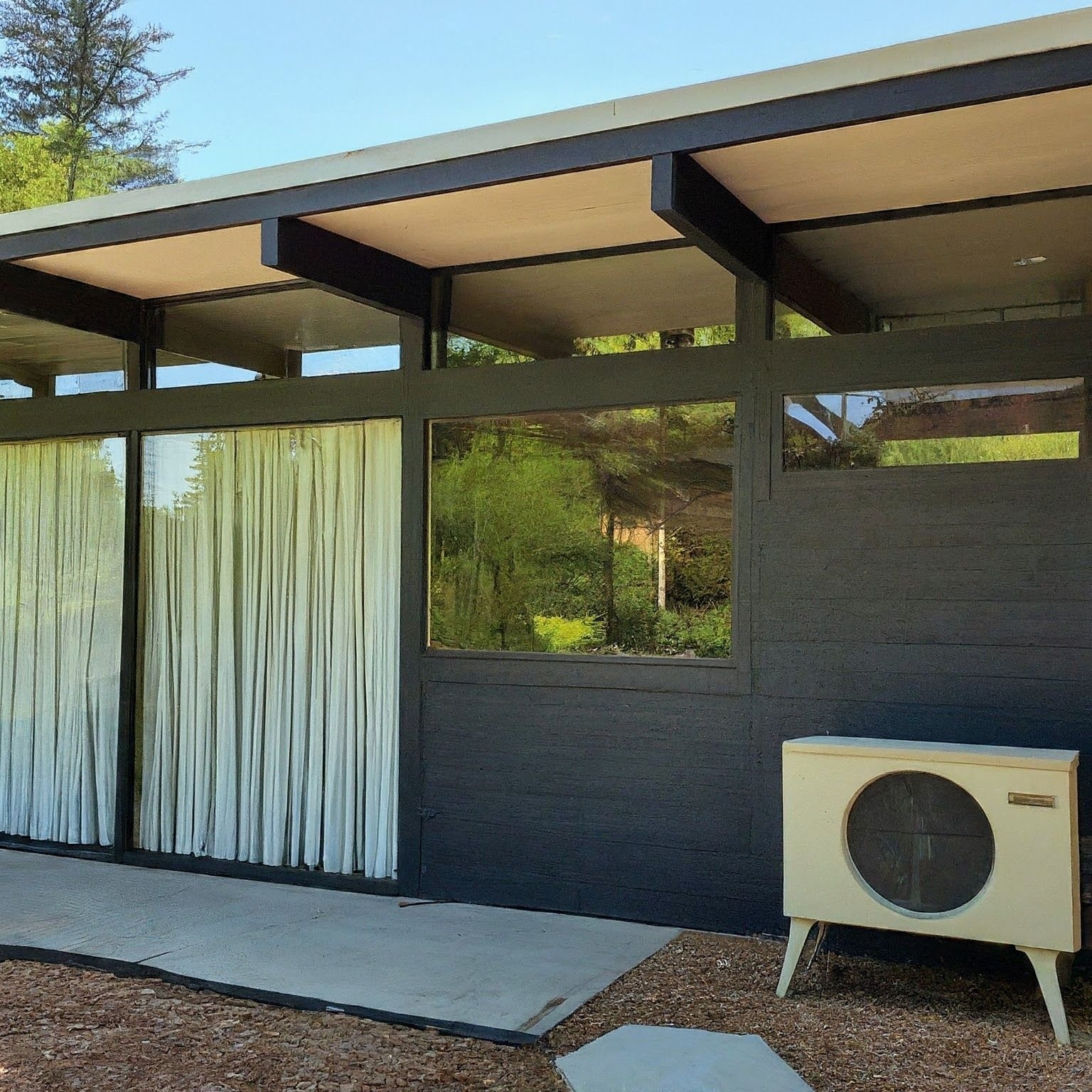
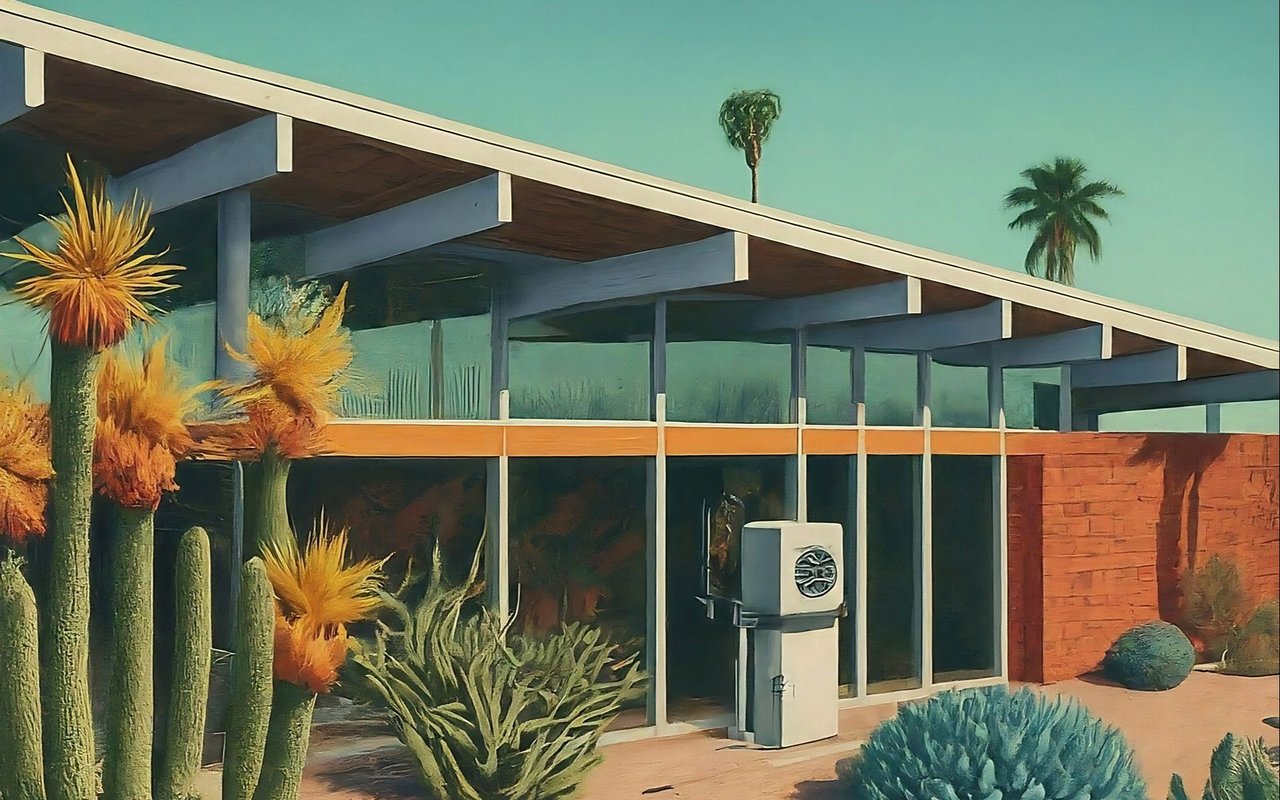
The introduction of air conditioning in the mid-20th century revolutionized Palm Springs. This technological breakthrough transformed the desert into a year-round playground, attracting visitors and residents alike. As the need for passive cooling diminished, architects gained unprecedented freedom to experiment with form and function.
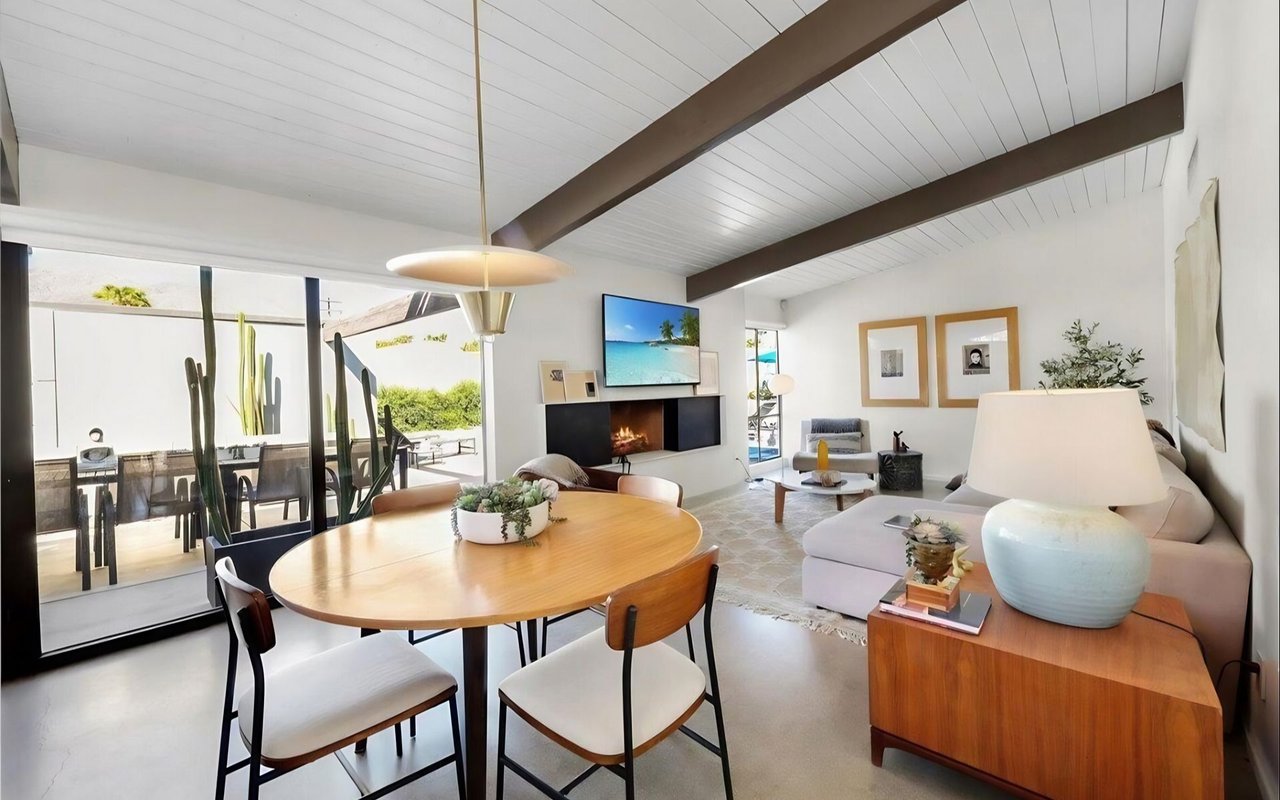
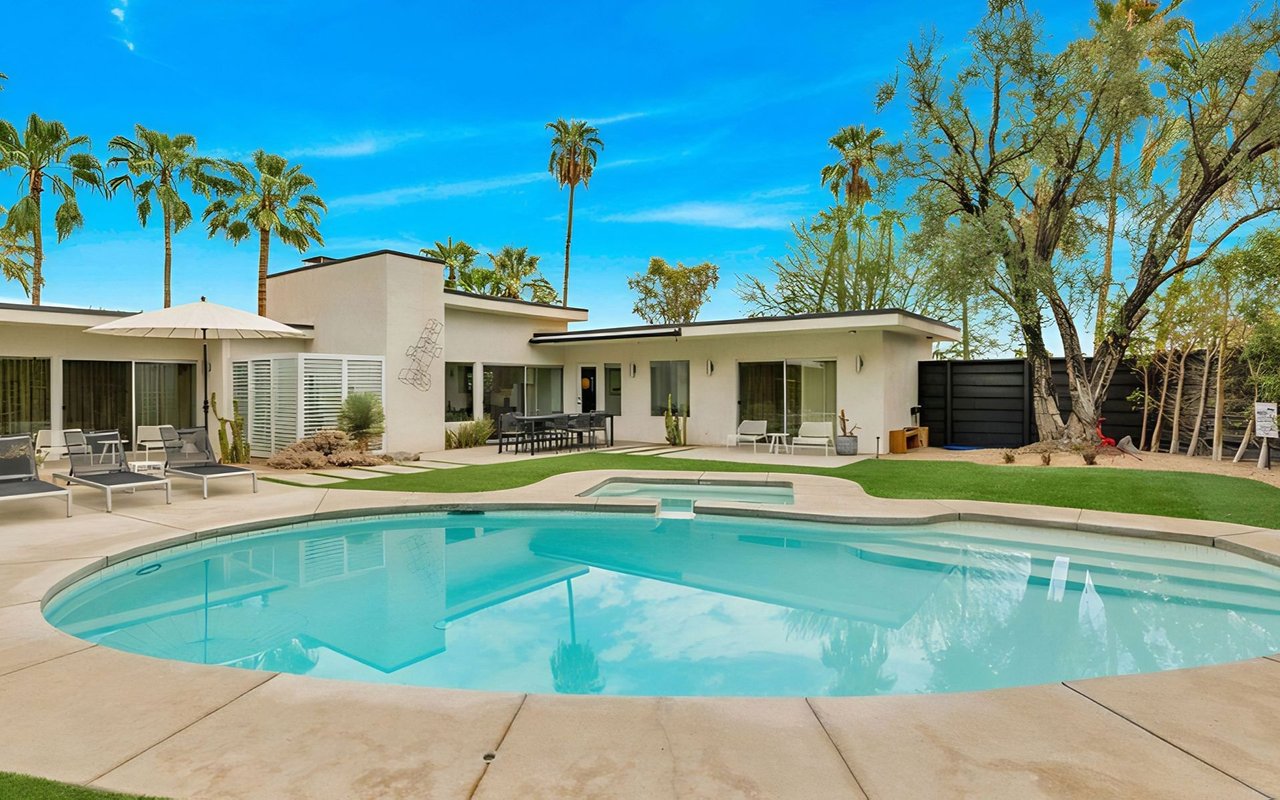
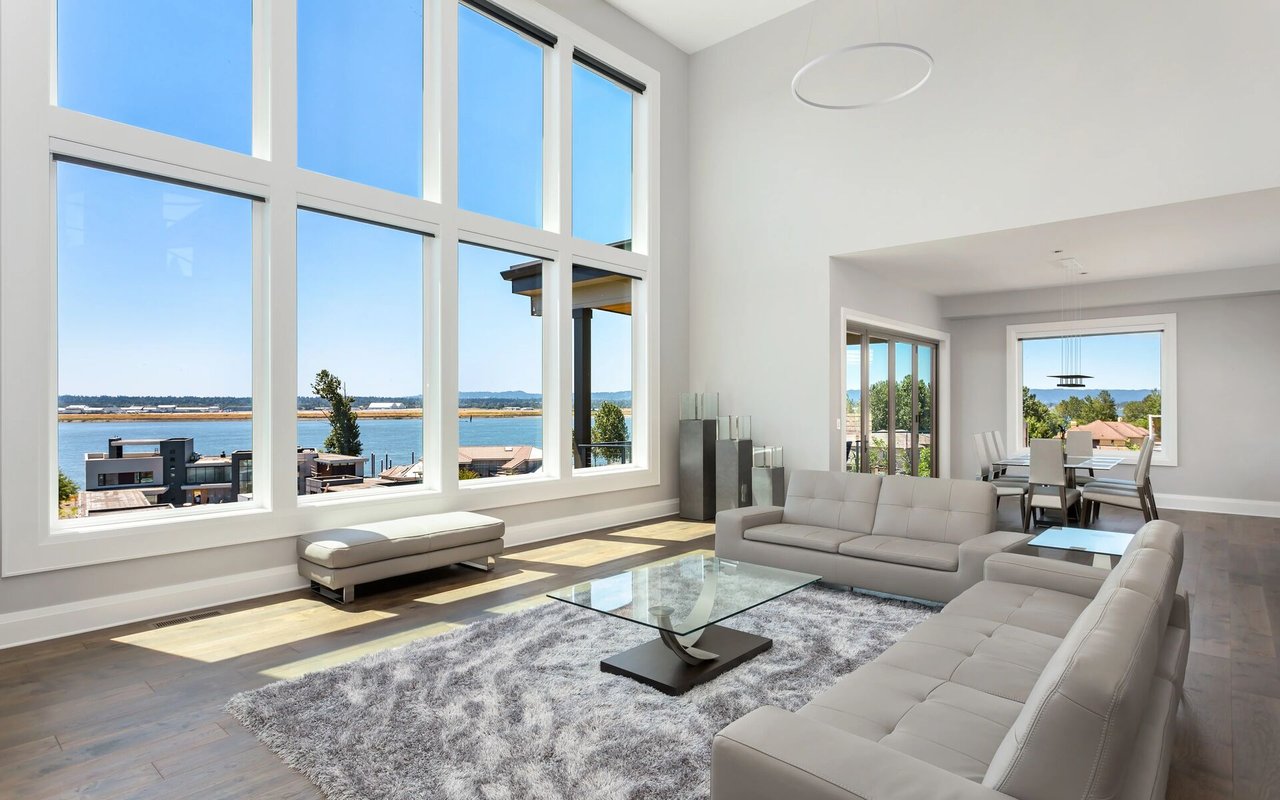
The modern Palm Springs aesthetic, characterized by clean lines, glass walls, and open floor plans, emerged in part due to the capabilities of air conditioning. With the ability to control indoor climate, architects could design homes that embraced the desert landscape while offering unparalleled comfort. The iconic mid-century modern style, with its emphasis on indoor-outdoor living, became synonymous with Palm Springs.
However, the widespread use of air conditioning also had environmental implications. The increased energy consumption associated with cooling homes and businesses contributed to higher greenhouse gas emissions. In recent years, there has been a growing focus on sustainable design and energy efficiency in Palm Springs architecture. Incorporating passive cooling strategies, such as shading and ventilation, alongside advanced air conditioning systems has become essential for balancing comfort with environmental responsibility.
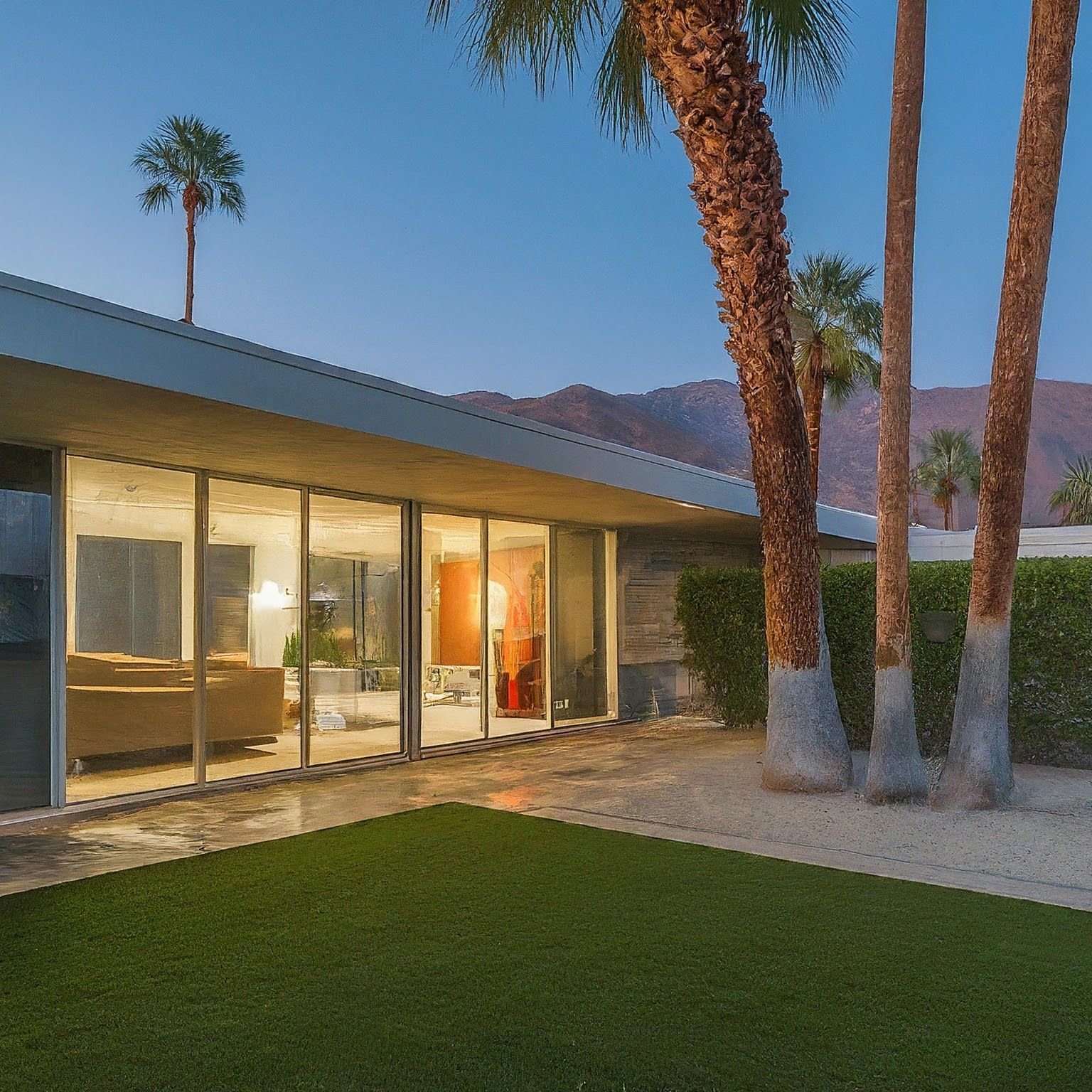
From its humble beginnings as a seasonal retreat to its status as a world-renowned destination, Palm Springs' transformation is inextricably linked to the history of air conditioning. This technological advancement not only enhanced comfort but also shaped the city's unique architectural identity. PaulKaplanHomes or call (760) 459-1396.
Interested in an air-conditioned mid-century home of your own? Reach out to us here or call (760) 459-1396.